What is a load pocket, and why it changes how you screen BESS sites
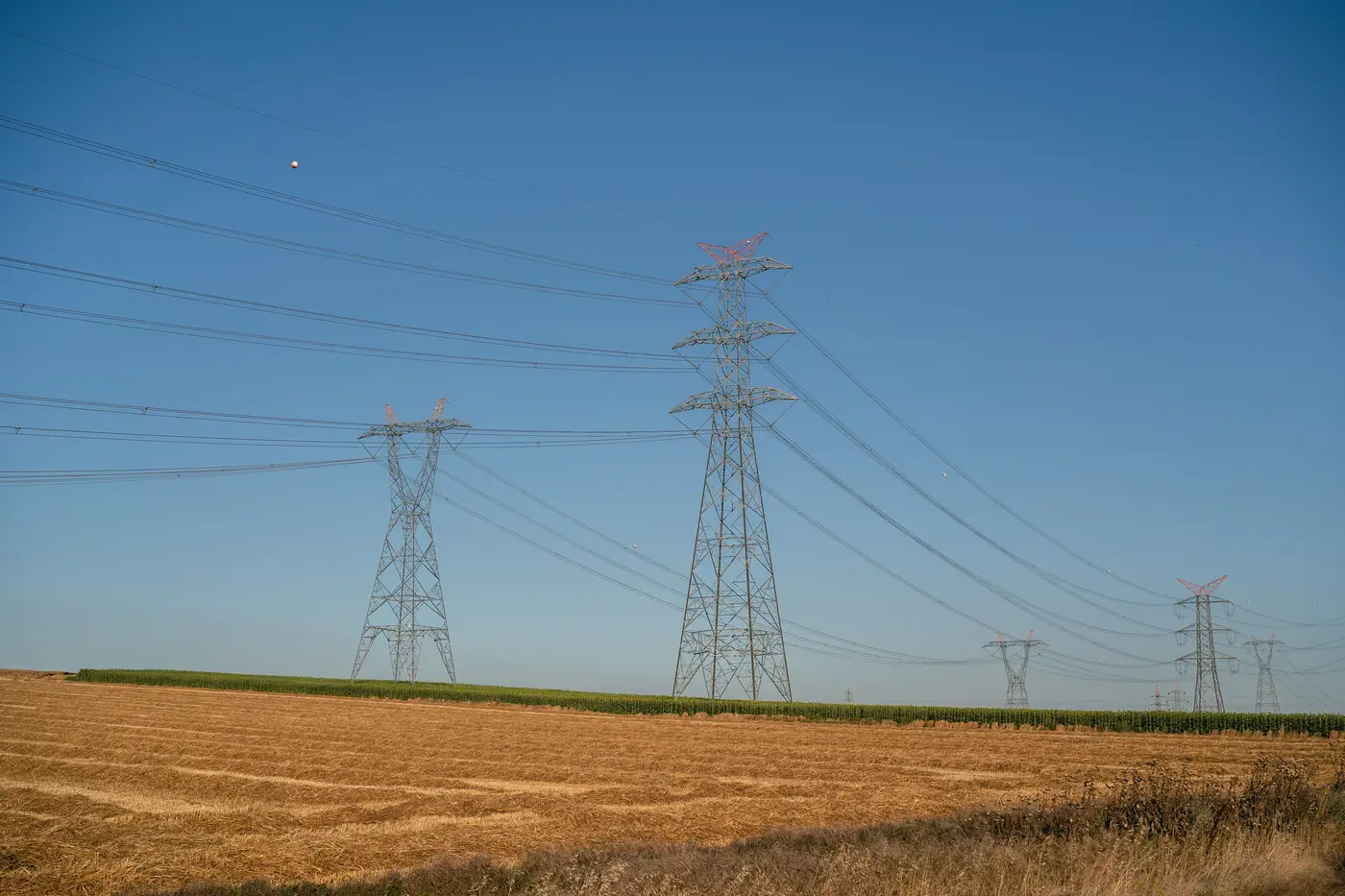
If you've sat through enough interconnection calls, you've heard someone say a node "sits in a load pocket" like it explains everything. It mostly does, but it's worth unpacking before you let it steer where you spend site control dollars.
What a load pocket actually is
A load pocket is a region where local demand can't be fully served by cheap generation from outside it, usually because transmission into the area is constrained. The grid operator has to run local, often more expensive, generation to keep the lights on, and that shows up as persistently higher locational marginal prices during peak hours. Classic examples are coastal metros boxed in by limited import capability, or a fast-growing suburb at the end of a long, thin transmission corridor.
For storage, a load pocket is interesting for one reason: price separation. If energy inside the pocket routinely clears higher than energy outside it, a battery that charges off-peak and discharges into the local peak is monetizing a spread that's structural, not a one-off weather event. That's the difference between a project that leans on one or two good months a year and one with a repeatable revenue pattern an offtaker or lender can underwrite.
Why this matters before you ever pull a parcel
Here's where developers get the sequencing wrong. A load pocket tells you where value is concentrated on the grid, but it says nothing about whether any given substation in that pocket has room to take your project, or whether the land around that substation is even buildable. Those are three separate questions, and they get answered in the wrong order more often than they should.
The usual workflow is: identify a promising load pocket from an ISO's congestion report or a consultant's nodal study, then start calling around for substations with spare interconnection capacity, then send someone into aerial imagery to eyeball parcels near each candidate substation. That last step is where months disappear. An analyst opens a satellite viewer, zooms into every substation on the shortlist, and manually checks each nearby parcel for slope, size, and road access before anyone books a site walk. Most of what they find doesn't survive five minutes of scrutiny. Too steep, too small to permit on a reasonable timeline, no real road frontage.
The load pocket analysis and the substation capacity data don't change that work, they just tell you which substations are worth the analyst's time in the first place. You still need someone to look at the land.
Load pocket economics, substation capacity, and buildable land are three different filters
Treat these as a stack, not one lookup:
- Load pocket / nodal pricing tells you the revenue case exists. This comes from your ISO or RTO's published congestion and pricing data, or a consultant's interconnection queue study.
- Substation spare capacity tells you which specific nodes in that pocket can physically accept an interconnection request without a multi-year upgrade. This comes from hosting capacity maps or direct utility planning conversations.
- Buildable land near that substation tells you whether there's actually a parcel worth walking. Flat enough to keep grading costs sane, small enough to permit on a normal timeline instead of triggering a full siting review, and already served by a real road rather than a logging track.
A node can check the first two boxes and still fail the third if every adjacent parcel is a forested ridge or a wetland complex. That's the gap a satellite pass is built to catch early, screening the land within reach of a substation's spare capacity for exactly those traits and handing back a shortlist instead of a raw imagery tile for someone to comb through parcel by parcel. Battery Storage Siting runs that screening pass once a year, since whether a parcel still looks buildable isn't something that changes week to week the way pricing does.
If you've already got your load pocket and your list of interconnection-capable substations, the next step is seeing which parcels near them are actually worth a site walk.