Blog
Notes from the parcel screen
Nov 16, 2026
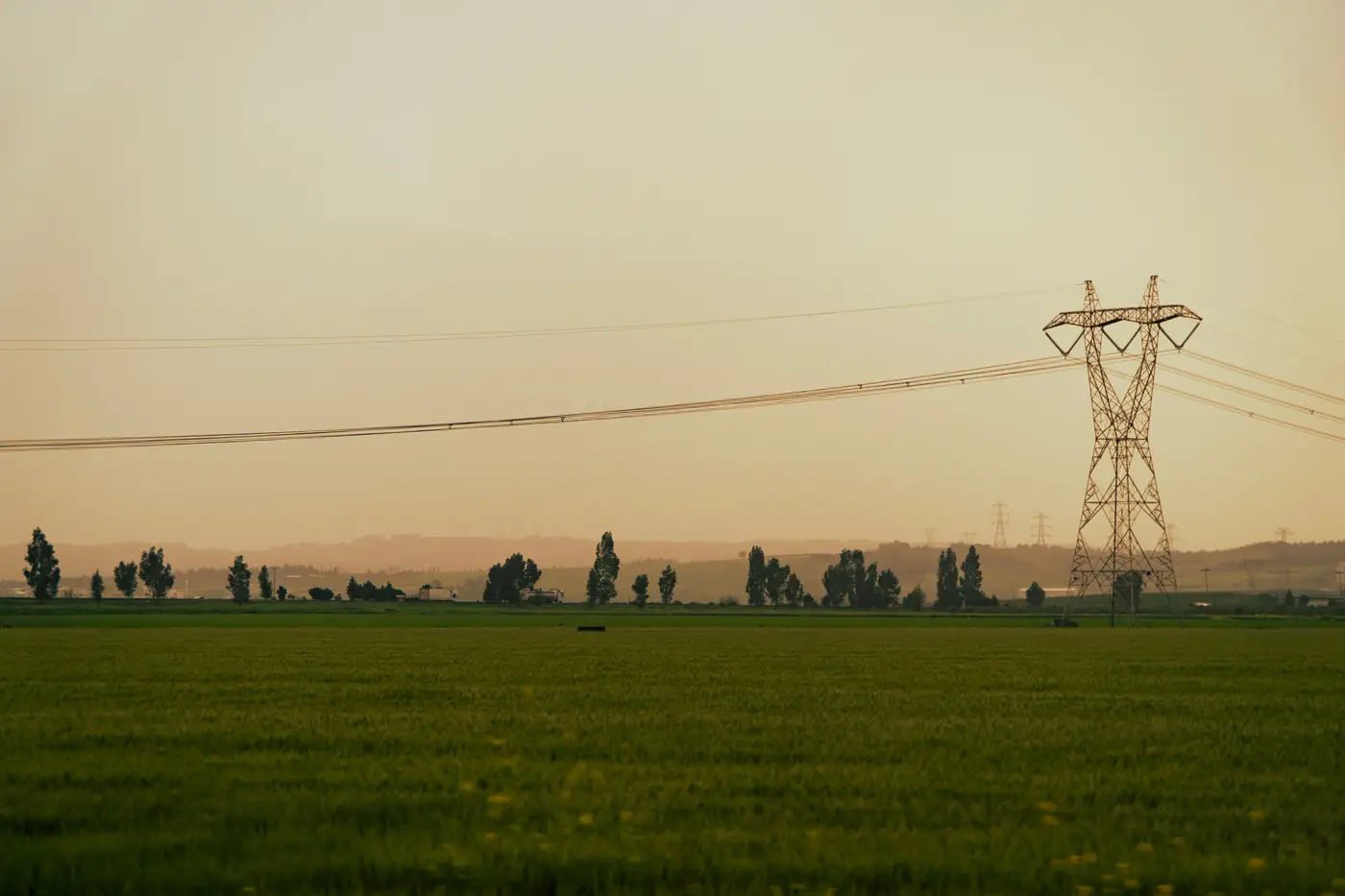 Field notes: flat, cheap, and three miles from a substation already spoken for
A parcel that scored perfectly on every siting metric except the one the aerial view never shows: who else already has a hold on that substation's capacity.
Nov 16, 2026
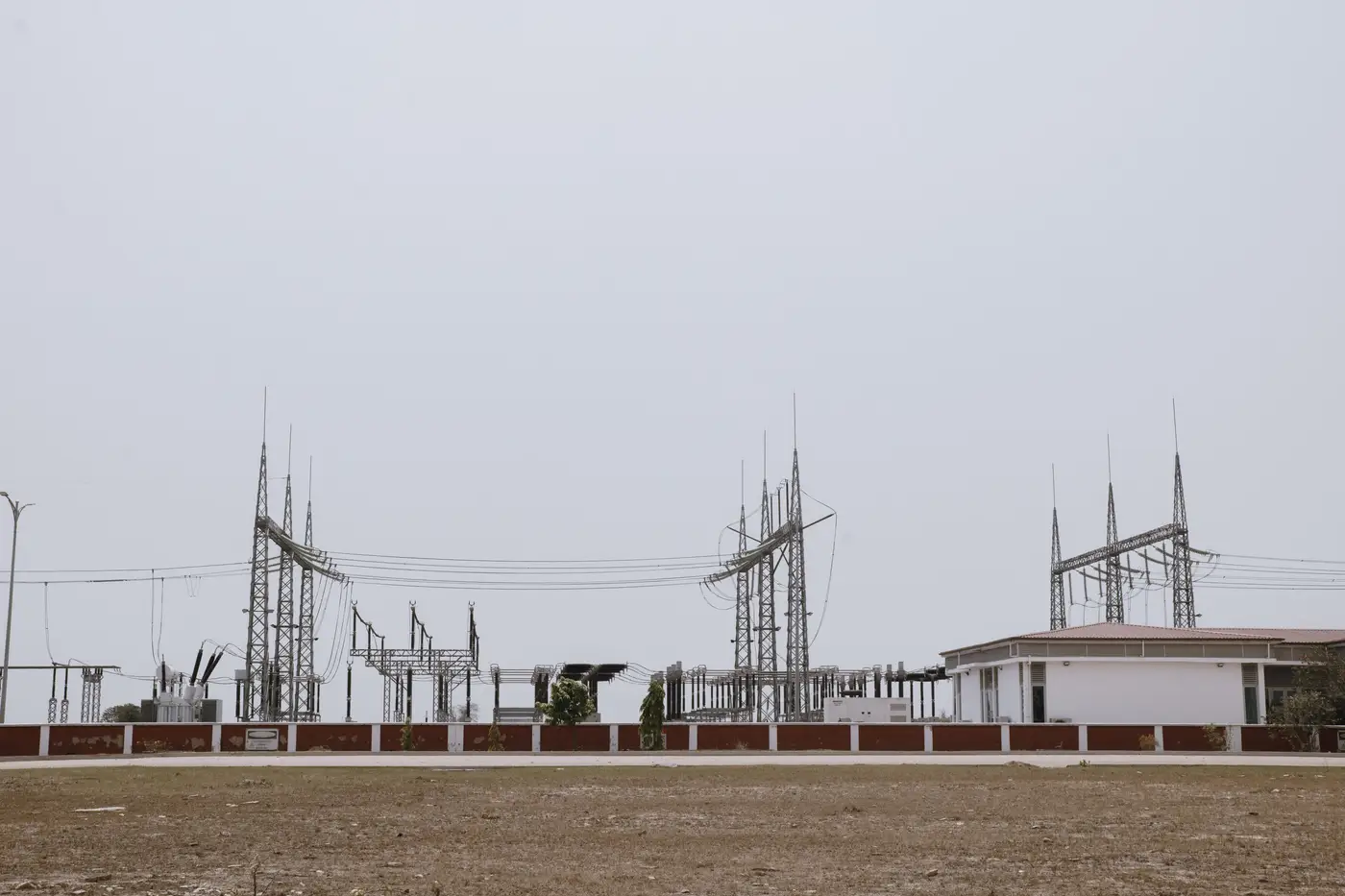 How to tell a full substation from one with spare capacity (without calling the utility)
Read hosting capacity maps and queue data like a developer, so you can rule out dead substations before you pick up the phone.
Nov 9, 2026
 2-hour vs 4-hour duration BESS: how duration changes your site footprint
Why MWh, not just MW, drives acreage needs, and how duration choice changes what you screen for in a parcel before a site walk.
Nov 9, 2026
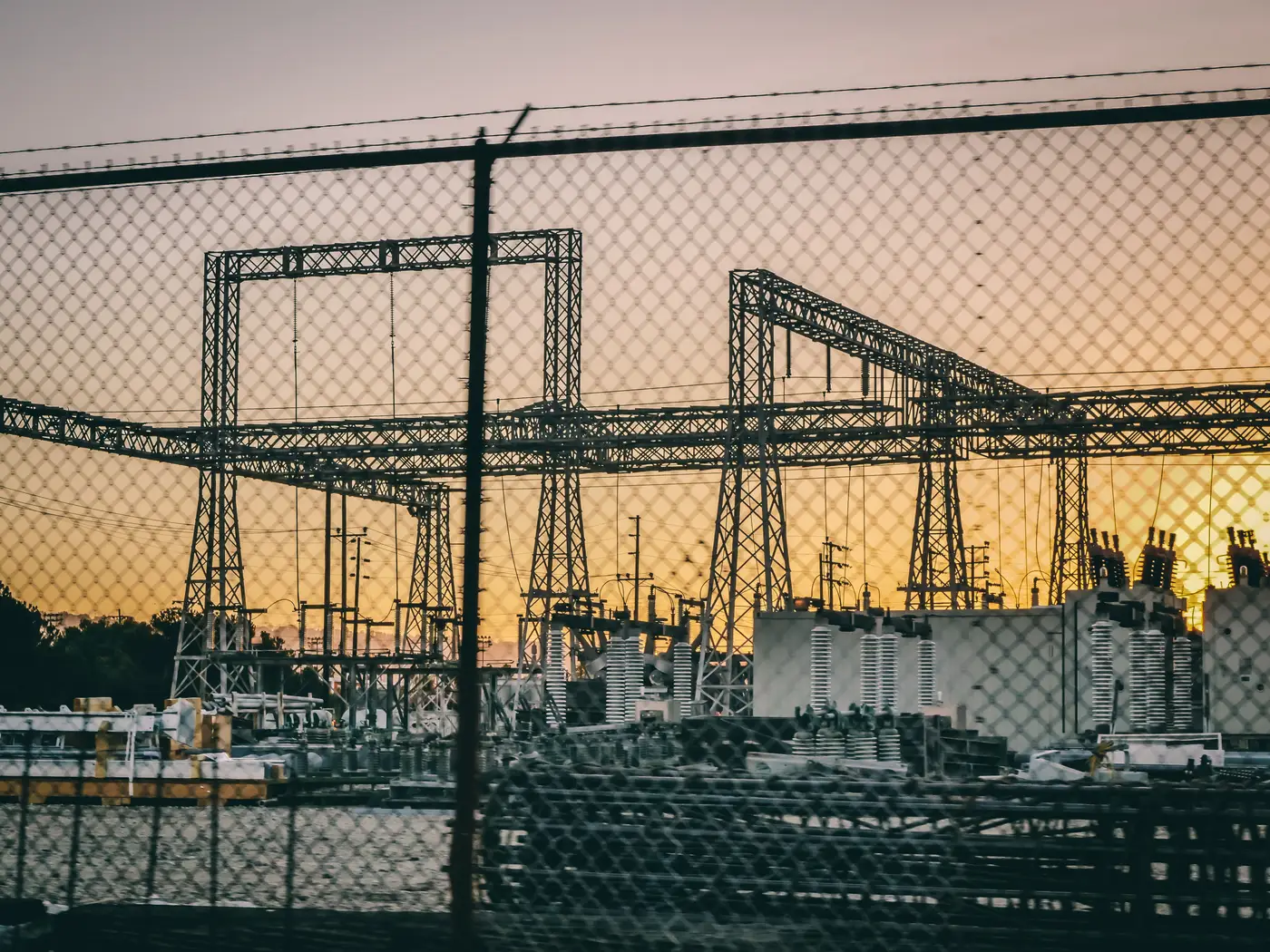 What a load tap changer is and why it caps spare capacity
What a load tap changer does, and why its tap range can limit a substation's usable spare capacity for a BESS interconnection.
Nov 2, 2026
 Field notes: three developers, one substation, forty acres
A field note on why three BESS developers chased the same forty acres near one substation, and why the fastest parcel screen won.
Nov 2, 2026
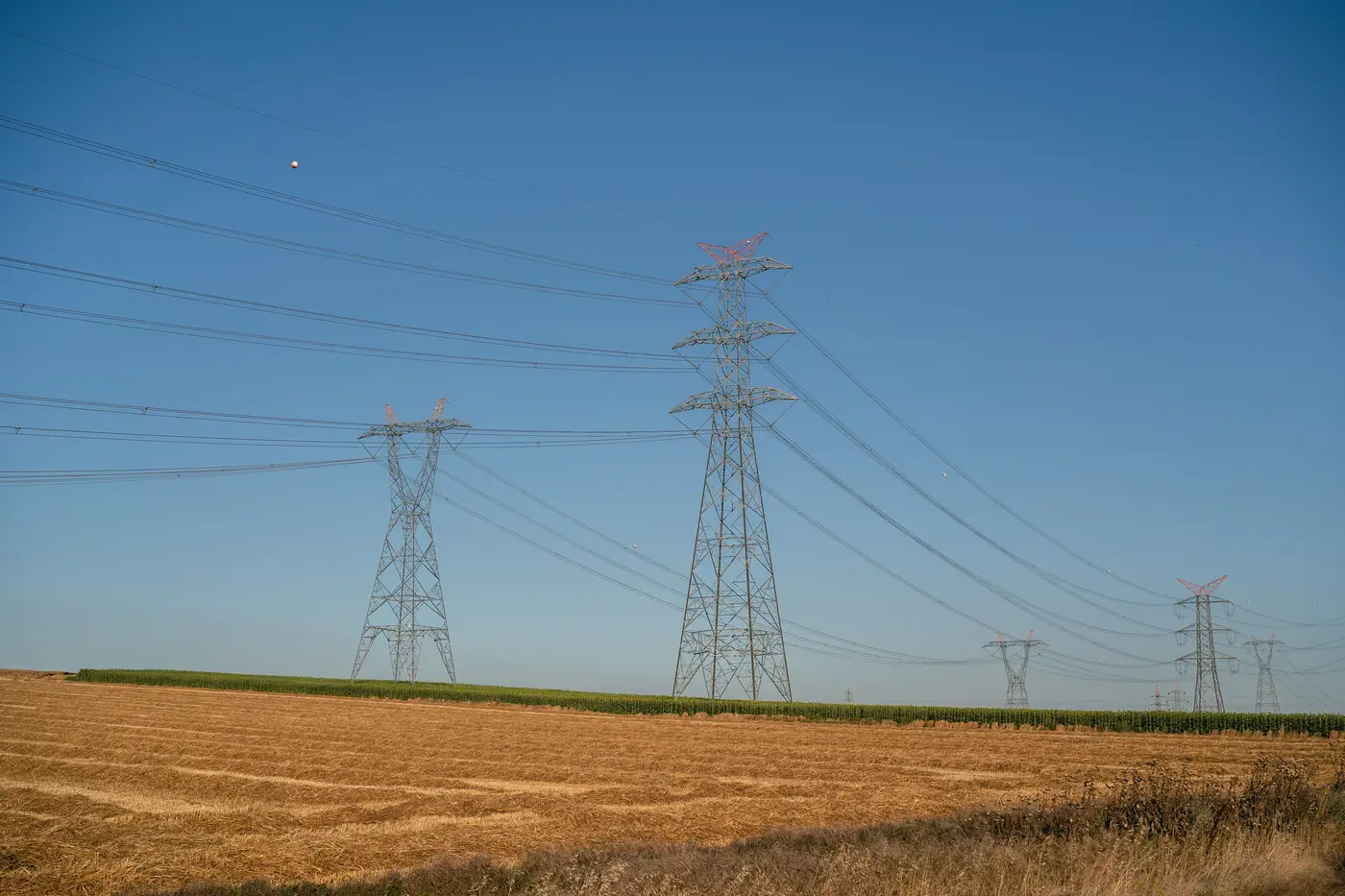 How to read a hosting capacity map before you shortlist BESS land
A hosting capacity map tells you about electrical headroom at a substation, not about the land. Here's how developers read one before a site walk.
Oct 26, 2026
Distribution vs. transmission substation: reading the difference from overheadHow to tell a distribution substation from a transmission substation in satellite imagery, and why the distinction matters for BESS interconnection size.
Oct 26, 2026
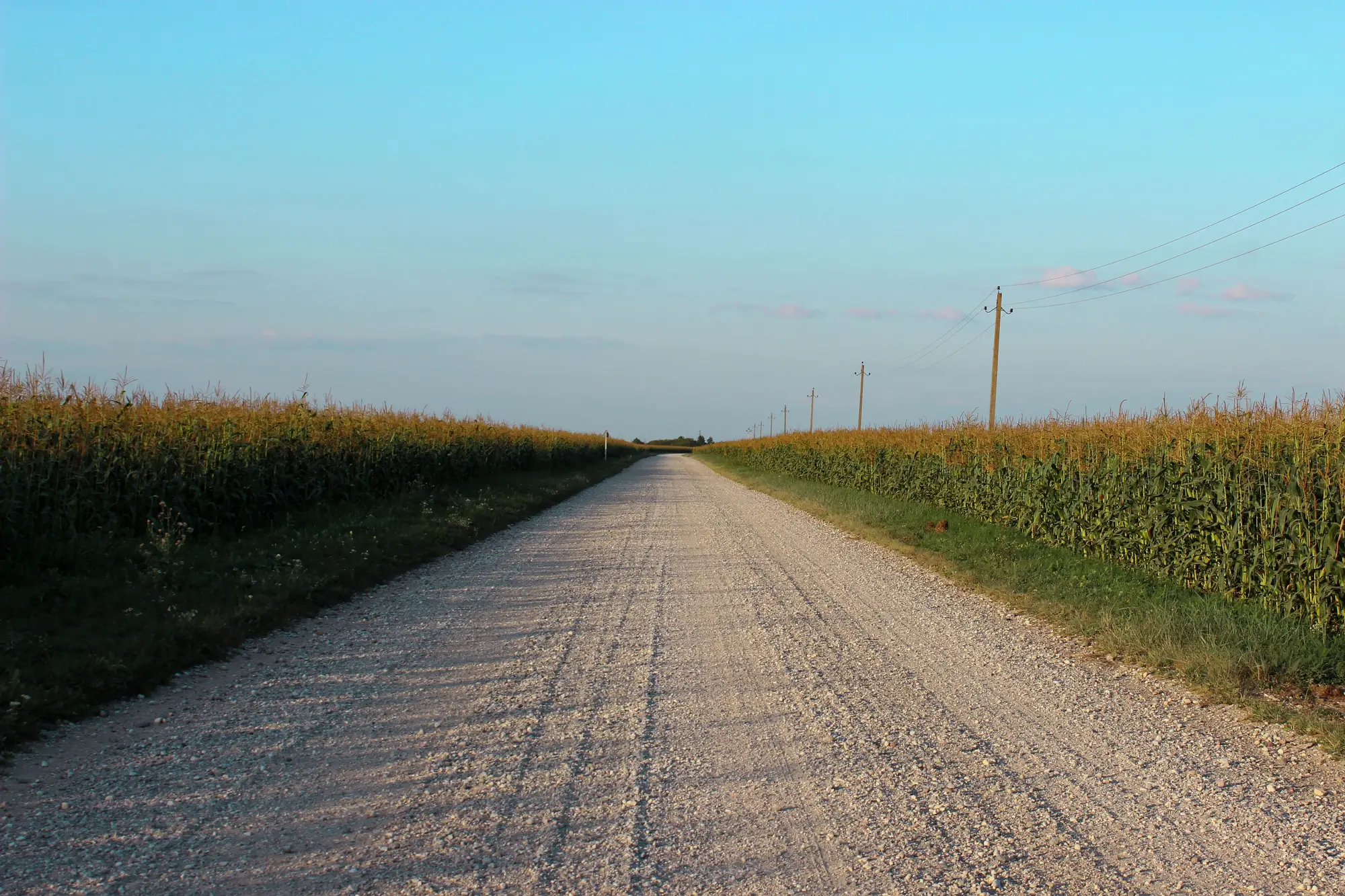 Road-served land: what counts for a BESS site
A plain-language breakdown of what "road-served" means when screening land for battery storage, and why easement access isn't the same as paved frontage.
Oct 19, 2026
What is a surplus interconnection service study for BESS sitingWhat a surplus interconnection service (SIS) study is, how it caps BESS output, and why it changes how you screen parcels near a substation.
Oct 19, 2026
 Storage land moves on solar's old clock, and it's costing deals
Storage land options move faster than solar's because small parcels near spare substation capacity get optioned in weeks, not years.
Oct 14, 2026
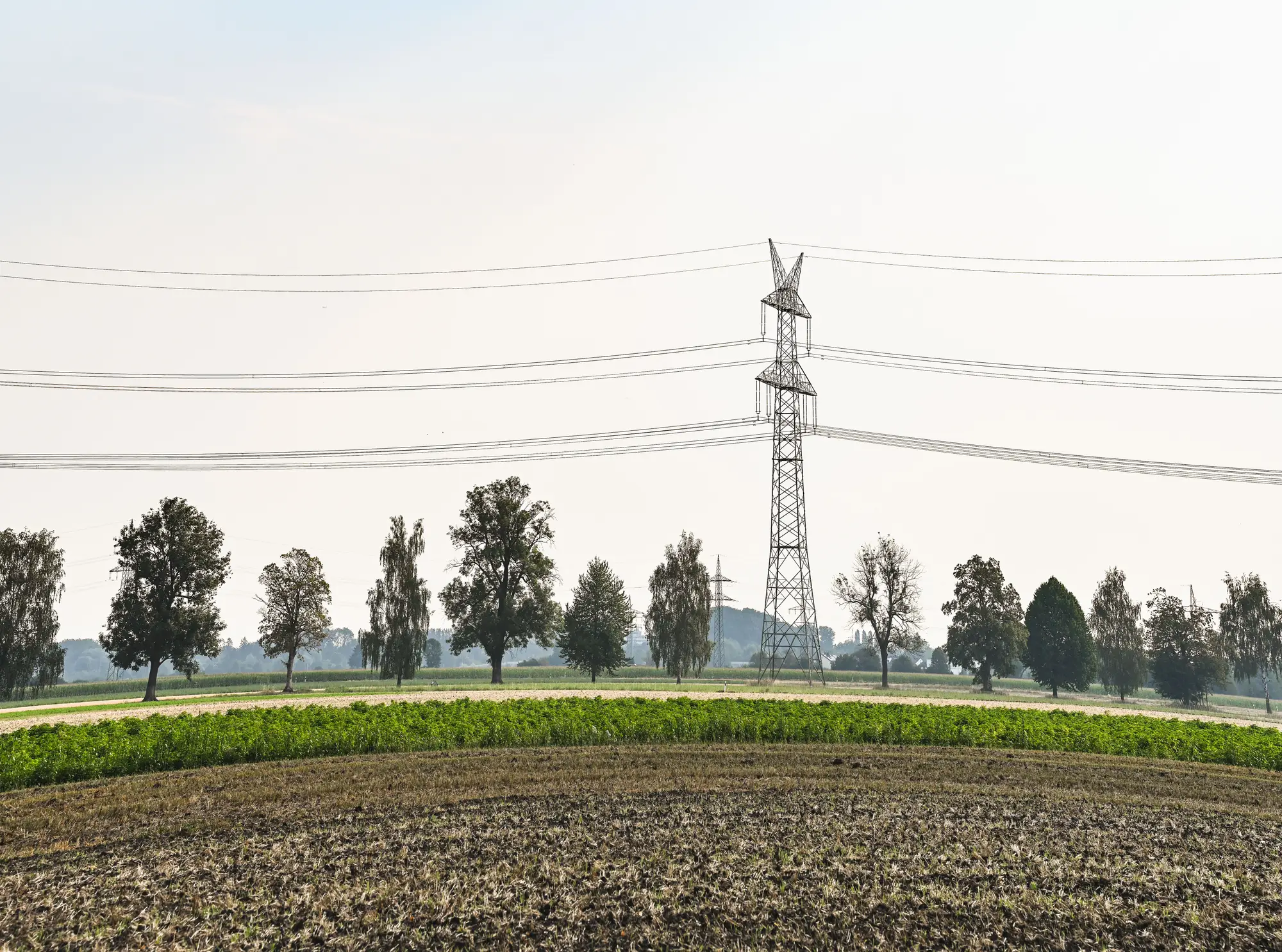 Gen-tie line length and why it moves a BESS project's economics
How gen-tie line length drives interconnection cost and changes which parcels pencil out for a BESS project.
Oct 14, 2026
What is a load pocket, and why it changes how you screen BESS sitesLoad pockets drive the LMP spreads that make storage pencil. Here's what the term means and how it should shape where you screen for BESS land.
Oct 13, 2026
How far from a substation can a BESS project still pencil?There's no fixed mile limit for a BESS gen-tie. Here's how developers run the distance-vs-cost math before a site walk.
Oct 13, 2026
Point of interconnection vs. substation fence line: what's the differencePOI and substation fence line aren't the same thing. The gap between them is where gen-tie cost and routing risk live.
Oct 7, 2026
How many acres per megawatt does a BESS project need?A working rule of thumb for BESS land requirements by MW, and why duration, setbacks, and interconnection distance move the number more than chemistry does.
Oct 7, 2026
How to check interconnection queue status before you scout landA field-level walkthrough of where to find interconnection queue status and how it differs from a hosting capacity map, before you drive out to look at land.
Oct 7, 2026
Parcel setback rules for battery energy storage systems: what actually governs themFire code setbacks, residential buffers, and zoning overlays each govern BESS siting differently. Here's how the layers stack before you book a site walk.
Oct 7, 2026
What counts as flat enough land for a BESS padA look at how slope gets judged for a BESS pad, where grading costs start climbing, and why "flat enough" is a site-specific call.