What is a surplus interconnection service study for BESS siting
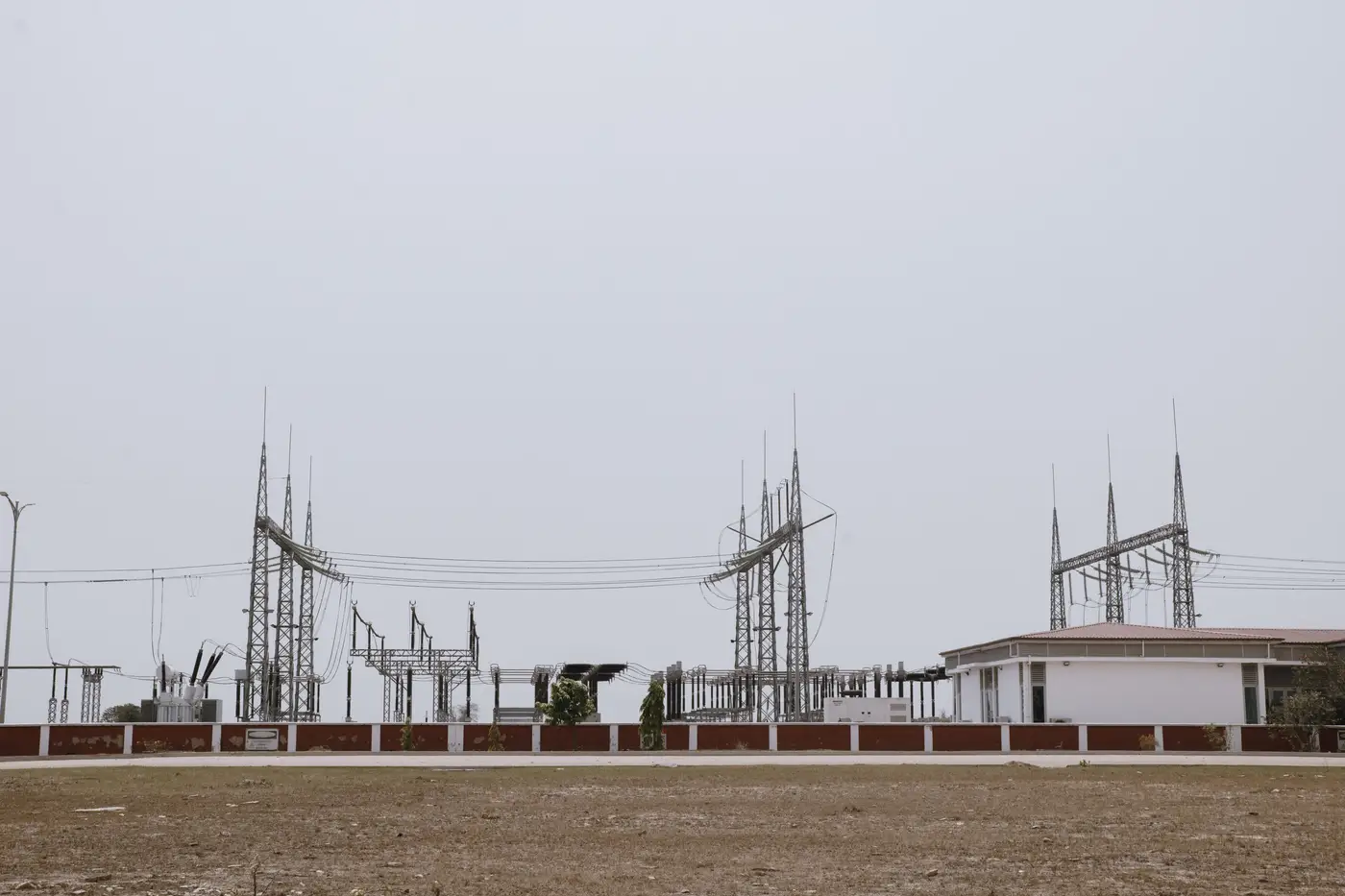
A surplus interconnection service (SIS) study is the mechanism a transmission provider uses to let a new generator, including a battery storage project, tie into an existing customer's unused capacity at a shared grid connection point instead of entering the full generator queue from scratch. Some ISOs and utilities offer it as a formal product (MISO's Surplus Interconnection Service is the best-known version); others run something close to it informally when a substation has headroom tied up in an older interconnection agreement that was never fully used.
The full interconnection study process, system impact study, facilities study, queue position, can run years and six figures before you know whether a site is buildable. A surplus study skips most of that stack because the transmission provider is only checking whether the new equipment fits inside capacity an existing customer already paid to study and isn't using. If an existing generator at a substation isn't using all of its interconnection rights, and the transmission provider has a surplus process, a BESS project can sometimes get studied against that unused capacity on a track scoped to the new equipment rather than the whole interconnection.
Why this matters before you walk a parcel
Surplus capacity and headroom on a hosting capacity map are two different things, and siting teams need to track both. A substation can show spare thermal or transformer capacity in a hosting capacity map and still have none of it available as surplus, because surplus only exists where a specific interconnection customer holds rights it isn't using and is willing, or required, to release them. That's a narrower, more fact-specific question than whether there's room at the bus, and it's one your siting team should be asking before interconnection diligence starts, not after.
It also sets a hard ceiling on what you can build. Surplus interconnection service caps your output at the surplus amount the transmission provider identifies, not at whatever your parcel can physically host. A site that looks like a 100 MW opportunity from the substation's nameplate capacity might only clear an SIS study at 20 MW, because that's what's actually unused. If your land search and your interconnection strategy aren't talking to each other, you can end up under contract on a parcel sized for a project the substation will never let you build at that tier.
None of this is a reason to skip land screening. It's a reason to do the land screening and the interconnection homework in the right order. Before you spend engineering hours finding out whether an SIS filing is even possible at a given substation, you want to already know which parcels near that substation are flat enough, small enough to permit on a normal timeline, and already road-served, so you're not burning that interconnection effort on land that would fail for reasons that have nothing to do with the grid. That's the screening pass Battery Storage Siting runs: it narrows the land around a substation's spare capacity down to a shortlist before anyone books a site walk, so the parcels you take into interconnection diligence have already cleared the site-level filters.
What to ask before you bank on surplus capacity
A few questions separate a real surplus opportunity from a hopeful read of a capacity map:
- Is there a formal surplus interconnection process at this transmission provider, or would this require a negotiated arrangement with the existing interconnection customer?
- Who holds the unused rights, and have they indicated any willingness to release or share capacity?
- What output cap would an SIS study likely impose, and does that cap support a project size worth the land and construction cost?
- How does the surplus study timeline compare to a standard queue position at this utility, and does your project's financing or offtake schedule actually benefit from the shorter path?
None of these questions can be answered from a hosting capacity map alone, and none of them are land questions. But they all determine whether the land search around a given substation is worth running in the first place. A surplus process that turns out to be a 15 MW cap isn't going to change how you screen parcels near that substation, but it should change how many parcels you're willing to chase and how much you spend confirming each one before interconnection diligence catches up.
If you've got a substation on your list and want the parcel work done before the interconnection conversation ties up your team's time, that's the shortlist Battery Storage Siting builds.