What a load tap changer is and why it caps spare capacity
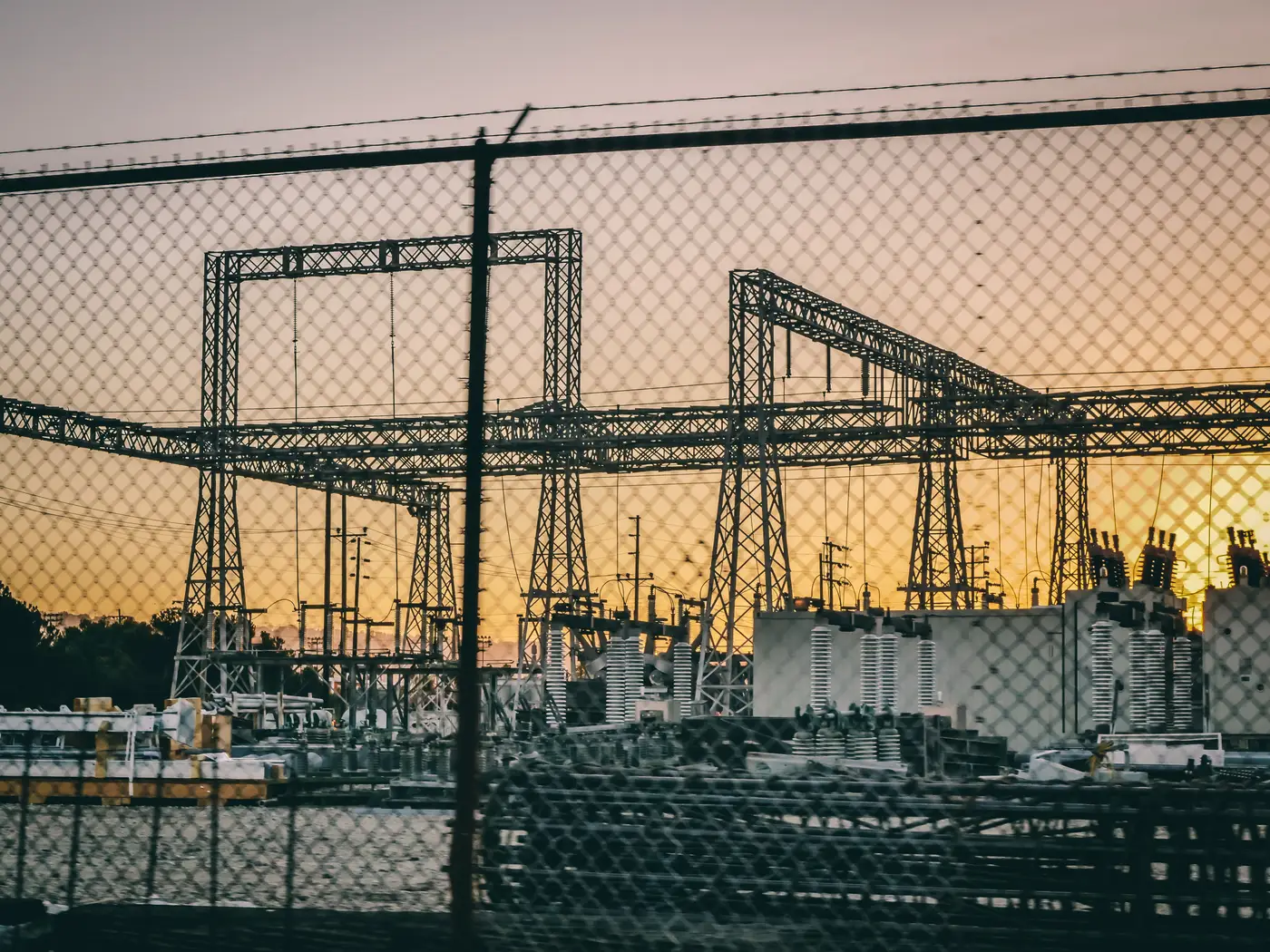
If you've sat in on an interconnection study call, you've heard the term thrown around like everyone already knows it: load tap changer, LTC, tap position. Here's what it actually is and why it shows up in almost every conversation about whether a substation has room for a battery.
A load tap changer is the mechanism inside (or attached to) a power transformer that adjusts the turns ratio between primary and secondary windings while the transformer stays energized and under load. In plain terms: it shifts voltage up or down in small steps, automatically, without anyone de-energizing the bus to do it. Most transmission and large distribution transformers have one. A no-load tap changer, by contrast, only adjusts when the transformer is offline, which is a different animal and matters for a different reason.
Utilities use LTCs to hold secondary voltage inside a tight band as load swings through the day. Without one, voltage would sag every time a feeder picked up load and climb every time it dropped off. The LTC watches voltage at the regulation point and steps the tap up or down to compensate, usually dozens of times a day on a busy transformer.
Why this matters for spare capacity, not just voltage
Here's the part that's easy to miss if you're coming at this from land, not from the utility side. Tap changer condition and tap range directly affect how much new load or generation a transformer can absorb before voltage regulation becomes the binding constraint, not thermal capacity.
A transformer can have plenty of MVA headroom on paper and still get flagged in an interconnection study because adding a BESS at that bus pushes voltage outside the regulator's range at certain tap positions, or because the LTC is already near the end of its tap range compensating for existing load. When that happens, the utility's answer isn't "no room," it's "no room without upgrades," and upgrades to an LTC or its control scheme are not a weekend job. They show up in the study as a cost adder and a schedule adder, sometimes the one that kills a project's economics before it kills the land deal.
This is also why "spare capacity" at a substation is never just a single number you can pull from a GIS layer. Nameplate rating, existing loading, planned load growth, protection coordination, and tap changer range and condition all sit underneath that one word. A substation with a big nameplate and low existing load can still be tight on headroom if the tap range is already working hard to hold voltage for the circuits it serves today.
What this means for screening land before a site walk
None of this is something you confirm from a parcel map. It gets confirmed in the interconnection study, after an application goes in, usually after the land is already under option. By then you've spent months and real money finding out a substation that looked open on paper has a tap changer constraint nobody flagged early.
What you can screen for ahead of that, at the land stage, is whether a parcel is even worth carrying into that process: is it close enough to a substation with plausible spare capacity, is it flat enough to build without heavy grading, is it small enough to permit on a reasonable timeline, and does it already have road access so interconnection and construction crews aren't the reason a schedule slips. Those are traits you can see from overhead imagery, parcel by parcel, before anyone books a site walk or spends a study deposit.
That's the gap Battery Storage Siting sits in. It screens the land within reach of a substation's spare capacity for the traits a BESS site needs and hands back a shortlist of parcels instead of a raw imagery tile an analyst has to pick through one tract at a time. The tap changer question still gets answered by the utility's study, but you walk into that study having already dropped the parcels that were never buildable to begin with.
If you're staring down a list of parcels near a substation and trying to figure out which ones deserve a call to the utility, that's exactly the screening problem worth handing off before you book another site walk.